
About US
Empowering Afghan Women Through Sport, and Opportunity.
Our Story —
How Tawana Was Born
Tawana was born from the belief that sport is more than a game — it’s a tool for freedom, confidence, and change.
It started with Dr. Hajar Abulfazl, an Afghan doctor, athlete, coach, and advocate, whose journey shows exactly why Tawana exists.
From Kabul to the World
Hajar grew up in Kabul, where girls faced strong social barriers to playing sports. At 12, she discovered football — a sport that became her way to challenge norms and unlock her potential.
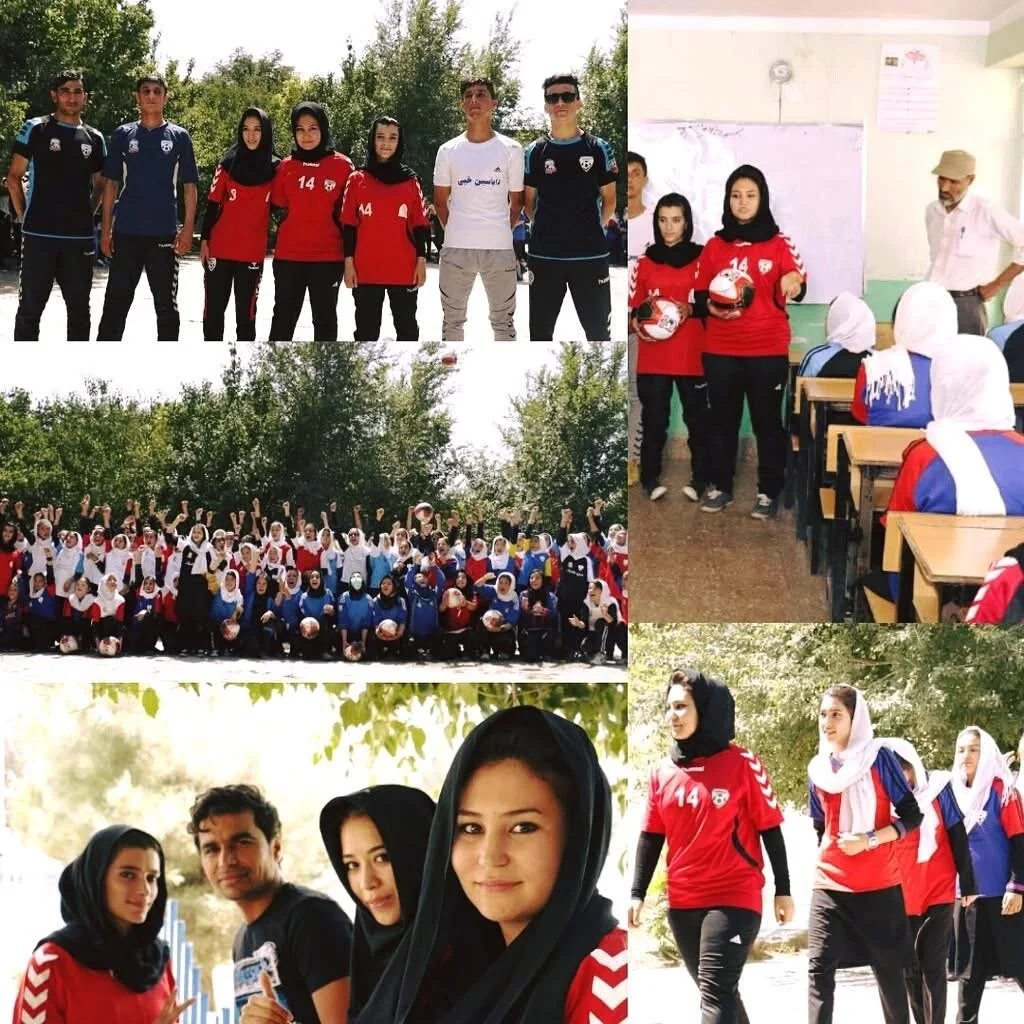
She rose through school teams to co‑captain the Afghanistan women’s national football team, inspiring thousands of girls. Between 2009 and 2017, she also worked to expand opportunities for girls across Afghanistan.
Using Sport to Empower
Alongside her football career, Hajar became a medical doctor, understanding how sport impacts health, confidence, and community.
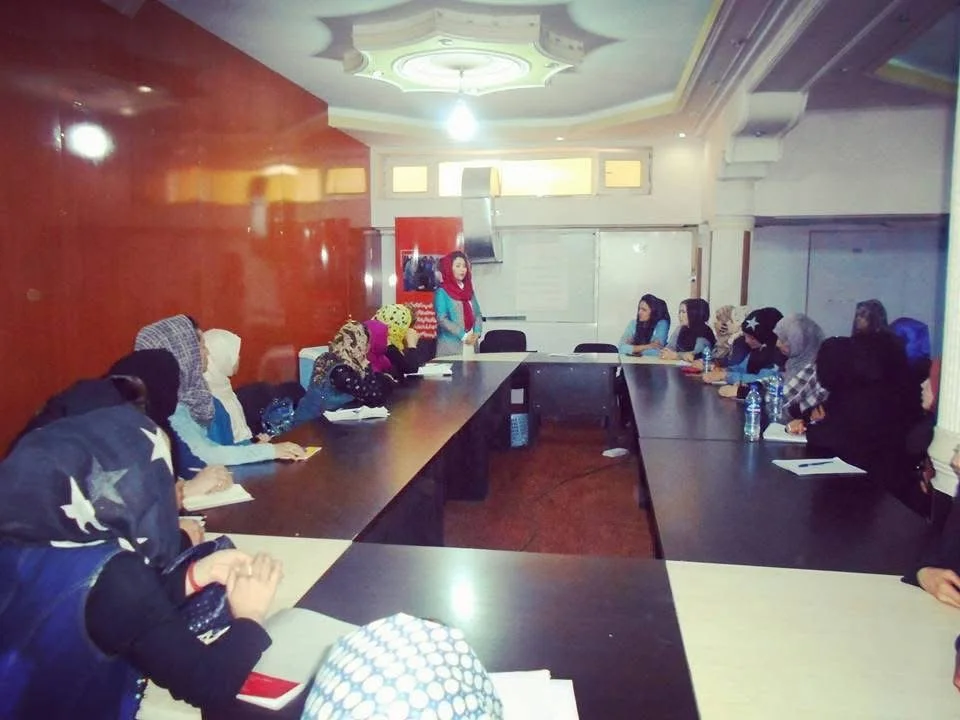
In 2015, she founded Tawana, rooted in the belief that football can break stereotypes, build leaders, and create spaces where girls are seen, heard, and respected. Tawana started with grassroots programs, school visits, and community events promoting girls in sports.
After the Taliban returned to power, Tawana shifted to support displaced athletes, helping them continue their sports journeys safely outside Afghanistan.
Global Recognition
Hajar’s work has received international recognition:
Afghan delegate to the United Nations Youth Assembly
2017 Courageous Use of Sport Award
Global speaker on gender equity, sport for development, and women’s leadership
Tawana Today
Tawana continues Hajar’s mission — using sport to empower, develop leaders, and transform communities. From preserving Afghan women athletes’ stories to creating pathways for future leaders, Tawana ensures girls everywhere get the opportunities they deserve.
“Words from Our Founder
“Sport gave me confidence, dignity, and a voice in a world that often tried to silence girls. Tawana is our chance to give that power to others — to let their dreams grow beyond barriers and build futures once thought impossible.” — Hajar Abulfazl”